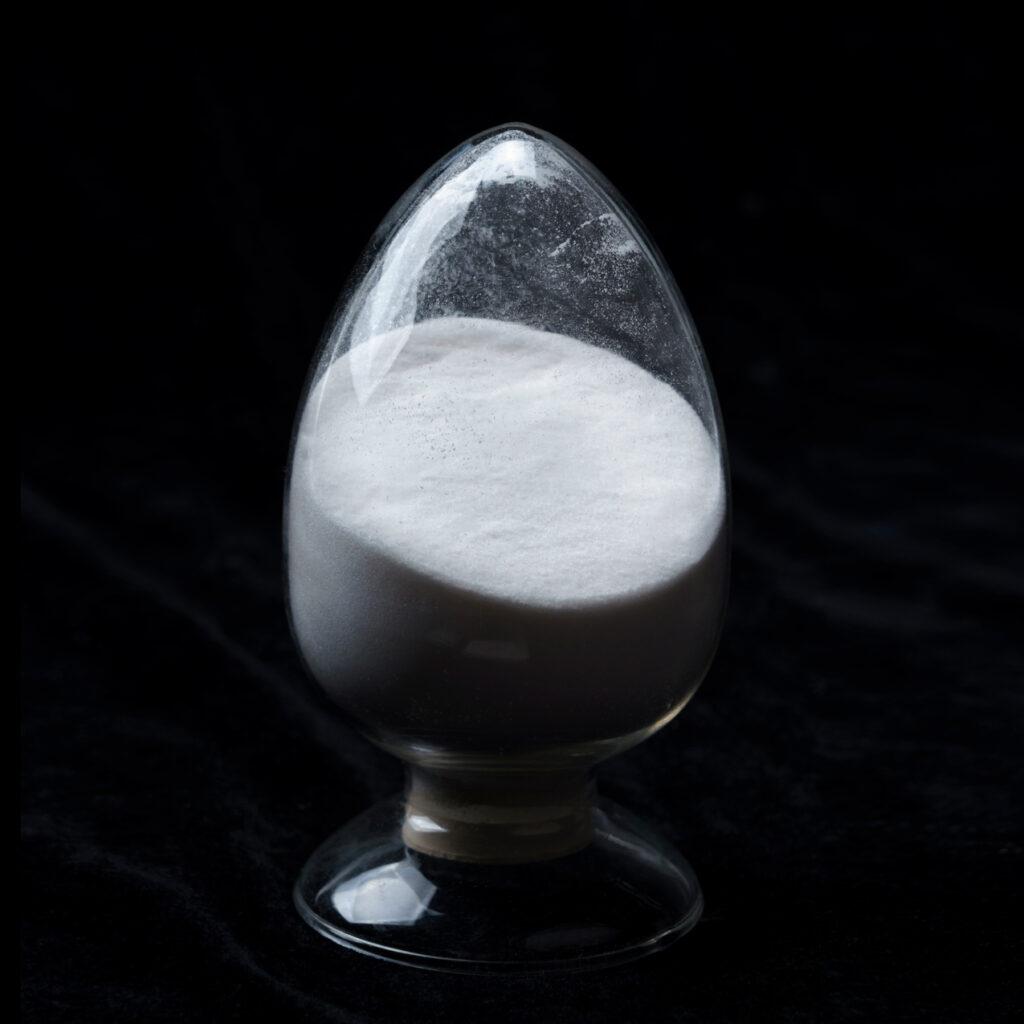

Betaine 98% Feed Grade Additive

Choline Chloride Powder Feed Grade
July 20, 2026
Betaine Feed Grade Additive
July 30, 2026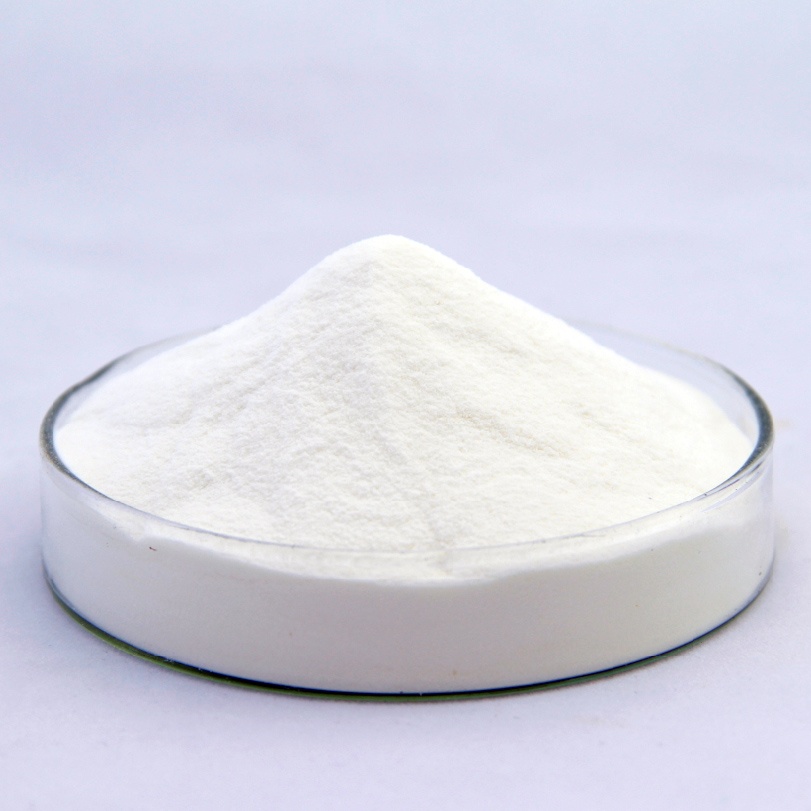
Betaine 98% Feed Grade Additive
High-Purity Anhydrous & Hydrochloride Trimethylglycine Specification. Premium Osmoprotectant, Efficient Methyl Donor, and Metabolic Attractant for Livestock, Poultry, and Aquaculture.
✓ Minimum Purity: 98.0%
✓ FAMI-QS & ISO 9001 Certified
✓ Global Export Standard Packaging
Technical Parameter Fast Facts & Specification Summary
1. Executive Overview & Molecular Fundamentals
Betaine, scientifically designated as trimethylglycine (TMG), is an essential zwitterionic quaternary ammonium alkaloid naturally synthesised within plants, microorganisms, and animals. In industrial feed formulation, Betaine 98% Feed Grade Additive represents a highly refined, standardized nutritional bio-agent engineered to serve three distinct physiological imperatives: efficient methyl group donation, intracellular osmotic pressure regulation, and metabolic enhancement. By acting as a direct methyl donor, feed-grade betaine bypasses rate-limiting enzymatic pathways, significantly replacing expensive synthetic DL-methionine and choline chloride while mitigating metabolic energetic expenditure across livestock, poultry, and aquatic species.
The chemical architecture of betaine features three chemically reactive methyl groups (-CH₃) covalently bound to a central nitrogen atom attached to a carboxylate group. This structural polar configuration endows betaine with dual functionality: a highly bioavailable methyl reservoir and a non-perturbed dipolar zwitterion capable of stabilizing cellular proteins and enzyme structures during severe heat stress, osmotic fluctuation, and intestinal inflammatory conditions. Incorporating 98% feed-grade betaine into modern commercial feeds delivers verified economic returns through improved feed conversion ratios (FCR), enhanced average daily gain (ADG), superior carcass lean meat percentage, and dramatically reduced mortality under field stress.
Key Technical Value Drivers:
- Methionine Sparing Effect: Replaces up to 15-25% of dietary DL-methionine required for methyl donation, directly lowering expensive premix cost.
- Cellular Osmoprotection: Maintains intracellular water-electrolyte balance during high ambient temperatures, reducing dehydration and metabolic shock.
- Lipid Metabolism Modulation: Enhances carnitine synthesis and hepatic fatty acid transport, preventing fatty liver syndrome and boosting carcass lean yield.
- Aquaculture Attractant: Stimulates olfaction and gustatory receptors in shrimp and fish, increasing feed intake and reducing feed waste.
2. Certificate of Analysis (COA) & Standard Laboratory Test Specifications
Every batch of our Betaine 98% Feed Grade Additive undergoes rigorous high-performance liquid chromatography (HPLC), atomic absorption spectroscopy (AAS), and moisture determination according to international feed quality assurance guidelines (FAMI-QS, ISO 17025). The official specification thresholds and typical batch performance indicators are documented below:
| Testing Item | Guaranteed Standard Limit | Typical Analytical Result | Testing Methodology |
|---|---|---|---|
| Betaine HCl / Anhydrous Content (%) | ≥ 98.0% | 98.82% | HPLC / Potentiometric Titration |
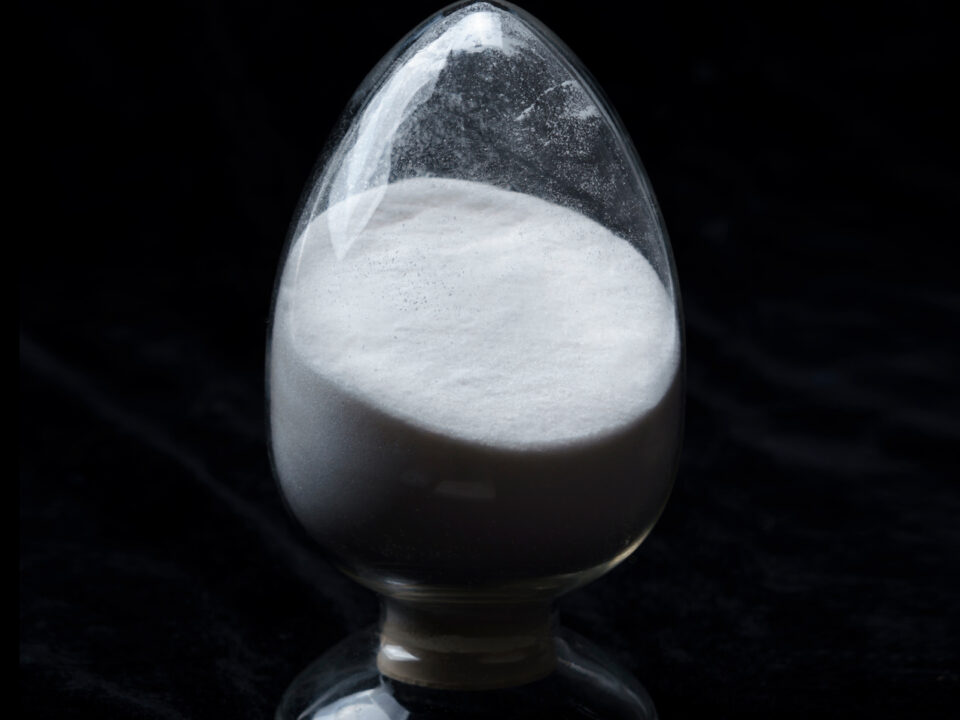
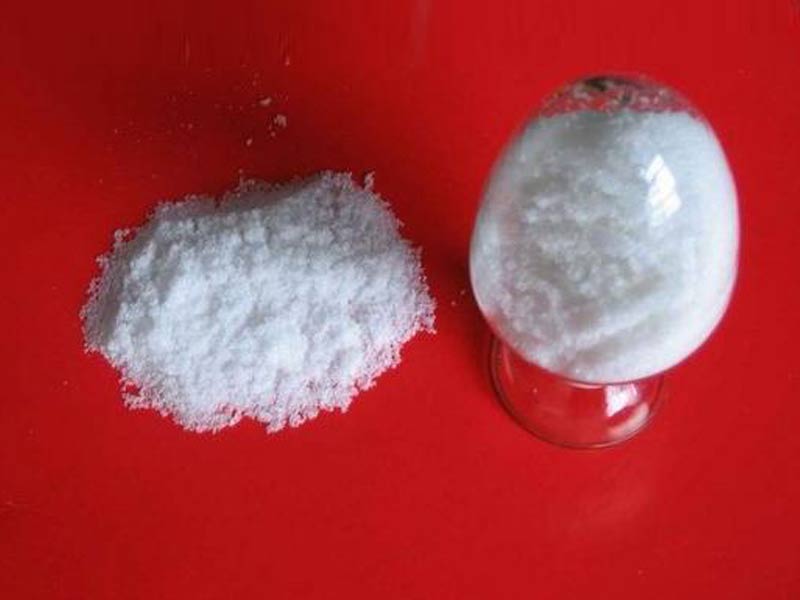
| Appearance & Physical Form | White Crystalline Powder | Conforms (Pure White) | Visual Inspection |
| Drying Loss (Moisture %) | ≤ 0.50% | 0.28% | GB/T 6435 Gravimetric Method |
| Trimethylamine (TMA) Residue (%) | ≤ 0.03% | 0.0105% | Gas Chromatography (GC) |
| Heavy Metal Content (as Pb) (%) | ≤ 0.001% (10 ppm) | < 0.001% | AAS / ICP-MS Spectrometry |
| Ignition Residue (Sulfated Ash %) | ≤ 1.50% | 0.41% | GB/T 6438 High Temp Muffle Furnace |
| Arsenic Content (As) (%) | ≤ 0.0002% (2 ppm) | < 0.0002% | Atomic Fluorescence Spectroscopy |
| pH Value (10% aqueous solution) | 0.8 – 1.8 (HCl) / 5.5 – 7.0 (Anhydrous) | 1.25 / 6.20 | Calibrated Digital pH Meter |
3. Biochemical Mechanisms of Betaine: Transmethylation & Osmoregulation
To fully understand the economic and nutritional superiority of Betaine 98% Feed Grade Additive, it is necessary to examine its dual biological pathways: the Homocysteine-Methionine Methylation Cycle and the Non-Ionic Cellular Osmolyte Transport System.
3.1 The Transmethylation Mechanism (Methyl Group Donation)
Transmethylation is an indispensable biochemical process required for the synthesis of vital metabolic compounds, including creatine, carnitine, phosphatidylcholine, adrenaline, RNA, DNA, and proteins. Methyl groups (-CH₃) cannot be synthesized de novo by higher animals and must be supplied through feed components. Traditionally, choline chloride and synthetic DL-methionine serve as the main sources of lab-synthesized methyl donors. However, choline itself cannot directly donate a methyl group; it must first undergo a two-step enzymatic oxidation inside hepatic mitochondria to form betaine aldehyde and subsequently betaine, catalyzed by choline oxidase.
Directly supplementing 98% pure betaine bypasses this metabolic oxidation barrier entirely. Betaine reacts directly with toxic homocysteine via the hepatic enzyme Betaine-Homocysteine S-Methyltransferase (BHMT). In this enzymatic reaction, betaine transfers one methyl group to homocysteine, remethylating it directly into methionine, while converting betaine into dimethylglycine (DMG). Dimethylglycine then yields its remaining methyl groups through oxidation to form sarcosine and glycine, feeding directly into energy pathways.
[Direct Betaine BHMT Reaction]: Betaine + Homocysteine –(BHMT Enzyme)–> DL-Methionine + Dimethylglycine (DMG)
[Metabolic Result]: Bypasses 2 ATP energy costs; provides immediate methyl group for protein synthesis & tissue deposition.
3.2 Intracellular Osmoregulation Mechanics
Beyond transmethylation, betaine is the most potent non-ionic intracellular osmolyte recognized in animal biology. Under hypertonic conditions—such as high intestinal sodium levels, coccidiosis infection, heat stress, or high salinity in aquaculture—cells lose water through osmotic pressure, causing cellular dehydration and enzymatic inactivation. To counter this, cells normally spend large amounts of adenosine triphosphate (ATP) driving the Na⁺/K⁺-ATPase pump to transport inorganic ions into the cytoplasm. However, excessive intracellular inorganic ions disrupt protein synthesis and compromise cellular membrane integrity.
Betaine accumulates naturally within cell cytoplasm without disrupting protein conformation or enzymatic functions. By accumulating inside intestinal epithelial cells, hepatocytes, and renal medullary tissue, betaine maintains intracellular turgor pressure, prevents water loss, reduces the energy burden on ion pumps by up to 64%, and ensures gut structural integrity during thermal or pathogen-induced physiological stress.
4. Bio-Equivalence Matrix: Betaine vs. Choline Chloride vs. DL-Methionine
Nutritionists worldwide evaluate methyl donors based on functional bio-efficiency, molecular weight, metabolic conversion steps, and net cost per effective methyl unit. The table below demonstrates why Betaine 98% is chemically superior to Choline Chloride 60% and DL-Methionine 99%:
| Evaluated Parameter | Betaine 98% (Anhydrous/HCl) | Choline Chloride 60% | DL-Methionine 99% |
|---|---|---|---|
| Direct Methyl Donation Efficiency | 100% Direct (No Conversion Needed) | ~55% (Requires Enzymatic Oxidation) | Indirect via SAMe Pathway |
| Metabolic Energy Cost (ATP Consumption) | Zero Energy Loss (Saves ATP) | Consumes ATP & Mitochondrial Enzymes | Consumes ATP for Activation |
| Osmoregulation & Cell Protection | High Bio-osmotic Action | None (Cannot act as osmolyte) | None |
| Vitamin Destruction in Premix | Non-Corrosive / Protects Vitamins | Highly Hygroscopic; Destroys Vit A, B, K | Neutral |
| Replacement Ratio Guideline | 1.0 kg Betaine = 1.0 – 1.2 kg Methionine | 1.0 kg Choline = 0.65 kg Betaine equivalent | Baseline Standard |
| Gastrointestinal Digestion Effect | HCl form releases stomach acid, activates pepsin | Neutral | Neutral |
5. Application & Efficacy in Poultry Production (Broilers & Layers)
Modern intensive poultry farming faces continuous challenges, including elevated environmental temperatures, fast growth stress, coccidiosis threats, and volatile feed ingredient costs. Betaine 98% Feed Grade Additive provides targeted metabolic support for broilers, layers, and breeder flocks:
Broiler Performance & Meat Quality
Betaine supplementation in broiler diets enhances breast muscle yield while reducing abdominal fat deposition. By promoting carnitine synthesis and regulating growth hormone expression, betaine directs nutrients toward muscle protein synthesis rather than adipose accumulation. Research shows a 3.8% increase in breast meat yield and a 5.2% reduction in abdominal fat when supplementing 1,000 g/MT betaine.
Coccidiosis Resistance & Gut Integrity
During Eimeria infection, the intestinal epithelium suffers severe hypertonic stress and cell lysis. Betaine protects gut villi length and mucosal thickness, maintaining tight junction protein expression. When combined with ionophore coccidiostats (e.g., salinomycin, monensin), betaine acts synergistically to preserve intestinal water retention and reduce wet litter incidence.
Layer Performance & Egg Shell Thickness
In laying hens, heat stress impairs calcium transport in the shell gland, leading to thin shells and high breakage rates. Betaine restores blood pH and calcium ion homeostasis during heat-induced hyperventilation, maintaining shell breaking strength, extending peak lay periods, and reducing cracked egg percentages by up to 2.4%.
Poultry Dosage & Inclusion Schedule
| Poultry Category | Development Phase | Recommended Dosage (g / Metric Ton Feed) | Primary Biological Objective |
|---|---|---|---|
| Broiler Chicks | Starter (Day 0 – 14) | 800 – 1,200 g/MT | Gut mucosal development & methionine replacement |
| Broiler Finisher | Finisher (Day 29 – Slaughter) | 1,000 – 1,500 g/MT | Breast muscle yield elevation & fat deposit reduction |
| Laying Hens | Peak Production Phase | 500 – 1,000 g/MT | Egg shell strength preservation & liver fat control |
| Poultry Flocks under Heat Stress | Summer / Hot Climate Zone | 1,500 – 2,500 g/MT | Osmotic heat protection & panting dehydration prevention |
6. Application & Efficacy in Swine Production
In modern swine production, Betaine 98% Feed Grade Additive targets four physiological stages: weaning piglets, growing-finishing pigs, lactating sows, and boars under thermal stress.
Key Swine Benefits Overview
- Weanling Piglet Gut Recovery: Weaning triggers severe villous atrophy and diarrhea. Betaine preserves enterocyte energy status, speeds gut barrier recovery, and decreases weaning diarrhea occurrence by 18-25%.
- Gestation & Lactation Performance: Adding betaine to sow diets during late gestation and lactation increases feed intake during heat stress, elevates milk yield, reduces backfat loss during lactation, and shortens the weaning-to-estrus interval.
- Carcass Composition Improvement: In finishing pigs, betaine regulates lipogenic enzyme activity (acetyl-CoA carboxylase and fatty acid synthase) while upregulating growth hormone (GH) receptors, producing thinner backfat and larger ribeye area.
Swine Dosage & Formulation Table
| Swine Life Stage | Recommended Inclusion Rate | Expected Production Improvement |
|---|---|---|
| Weanling Piglets (7 – 15 kg) | 1,200 – 1,800 g/MT | +6.5% ADG, -22% Post-weaning diarrhea rate |
| Growing Pigs (15 – 50 kg) | 1,000 – 1,200 g/MT | +4.2% Feed Efficiency, Methionine savings |
| Finishing Swine (50 – 110 kg) | 1,000 – 1,500 g/MT | -8.5% Backfat thickness, +3.2% Lean meat yield |
| Lactating Sows | 1,500 – 2,000 g/MT | +8.0% Daily Feed Intake during heat stress |
7. Application in Aquaculture (Shrimp, Fish, Marine Organisms)
Aquaculture species are acutely sensitive to environmental salinity shifts, temperature spikes, water quality stress, and feed palatability. Betaine is widely recognized as one of the most effective feeding attractants and osmoregulators in modern commercial aquafeed.
Feeding Attractant & Olfactory Stimulant
Betaine possesses a distinct zwitterionic chemical structure that triggers chemo-receptors on olfactory and gustatory organs of crustaceans (Penaeus vannamei, Penaeus monodon) and finfish (Tilapia, Seabass, Salmon). It speeds feed recognition, reduces feeding latency by 40%, and reduces unconsumed feed waste, keeping water parameters clean.
Salinity Stress Mitigation & Osmoregulation
When aquatic species transfer between freshwater and seawater, or face salinity fluctuations due to rainfall/evaporation, they expend tremendous metabolic energy regulating blood ion balances. Betaine acts as an internal osmolyte, protecting hepatopancreas cell function, minimizing mortality during stocking transfer, and elevating survival rates by 12-18%.
Aquaculture Recommended Inclusion Guide
| Target Species | Application Scenario | Inclusion Level (g / MT Feed) | Primary Benefit |
|---|---|---|---|
| Penaeid Shrimp (Vannamei/Monodon) | Standard / Low Fishmeal Formulations | 3,000 – 5,000 g/MT | Attractant acceleration, growth rate enhancement |
| Tilapia & Carp | Commercial Feed pelleting | 1,500 – 2,500 g/MT | Fatty liver mitigation, growth enhancement |
| Salmon, Trout & Marine Bass | Smoltification / Salinity Transition | 2,000 – 4,000 g/MT | Osmotic shock survival, stress reduction |
8. Thermal Stress & Heat Relief Physiology
Heat stress is one of the most costly challenges facing livestock production in tropical, sub-tropical, and summer temperate regions. When ambient temperature exceeds the thermo-neutral zone (>30°C for poultry, >25°C for swine and dairy), animals divert blood circulation from internal organs to peripheral skin to dissipate heat.
This physiological redistribution causes intestinal hypoxia, oxidative stress, epithelial breakdown, and loss of tight junction integrity, allowing endotoxins to enter the bloodstream (leaky gut syndrome).
How Betaine Fights Heat Stress:
- Preserves Enterocyte Volume: Accumulates inside intestinal mucosal cells, maintaining cellular turgor and osmotic volume during severe hyperthermia.
- Reduces Heat Production: Sparing metabolic ATP reduces metabolic heat increment (HI), helping lower core body temperature by 0.3°C – 0.5°C.
- Protects Intestinal Tight Junctions: Prevents down-regulation of Occludin and Claudin-1 proteins, maintaining gut wall impermeability against bacterial endotoxins.
- Stabilizes Respiratory Alkalosis: Buffers ion concentration imbalances caused by high panting rates and CO₂ loss.
9. Premix Formulation Stability & Vitamin Protection
A key issue in feed manufacturing is the destructive impact of conventional choline chloride on vitamin retention in concentrated premixes. Choline chloride is extremely hygroscopic, creating a humid micro-environment within premix bags that accelerates the oxidative breakdown of fat-soluble vitamins (Vitamin A, Vitamin D3, Vitamin E) and B-complex vitamins.
By contrast, Betaine 98% Feed Grade Additive exhibits significantly lower hygroscopicity and superior physical chemical stability. Replacing choline chloride with betaine in vitamin-mineral premixes preserves active vitamin potency throughout storage and transport:
| Vitamin Component | 3-Month Retention (%) with Choline Chloride | 3-Month Retention (%) with Betaine 98% | Retained Potency Delta |
|---|---|---|---|
| Vitamin A Acetate | 52.4% | 88.6% | + 36.2% Retention |
| Vitamin D3 | 61.0% | 92.1% | + 31.1% Retention |
| Vitamin K3 (MSB) | 24.5% | 81.0% | + 56.5% Retention |
| Thiamine (Vitamin B1) | 48.2% | 89.4% | + 41.2% Retention |
10. Digestive Acidification & Gastric Activation (Betaine Hydrochloride)
In its hydrochloride derivative form (Betaine HCl 98%), betaine carries a bound hydrochloric acid equivalent, yielding dual functionality as both a bioavailable methyl donor and a gastric acidifier. Upon entry into the gastric mucosa, Betaine HCl dissociates to release free hydrochloric acid (HCl), dropping stomach pH to optimal enzymatic levels (pH 2.0 – 3.0).
Pepsinogen Zymogen Activation
Young animals (weanling pigs, young poultry) have under-developed gastric acid secretion. The HCl released from Betaine HCl rapidly converts inactive pepsinogen into active pepsin, dramatically enhancing crude protein breakdown and amino acid digestibility.
Pathogenic Bacterial Inhibition
Maintaining low gastric pH creates a hostile barrier against acid-sensitive pathogenic bacteria, including Salmonella enterica, Escherichia coli, and Clostridium perfringens, while favoring beneficial acid-tolerant Lactobacillus species.
11. Feed Processing Thermal Stability & Conditioning Resistance
Modern industrial feed manufacturing utilizes high-temperature conditioning, steam pelleting, and twin-screw extrusion to eliminate pathogens and improve starch gelatinization. Many bio-active additives, enzymes, and heat-sensitive vitamins suffer degradation during thermal processing.
Betaine 98% Feed Grade displays exceptional thermal tolerance, boasting a melting point of over 240°C. Laboratory test data under aggressive steam conditioning and extrusion environments prove zero loss of active betaine content:
| Processing Method | Thermal Condition Range | Steam Pressure / Retention Time | Active Betaine Survival Rate |
|---|---|---|---|
| Standard Conditioning & Pelleting | 80°C – 90°C | 2.5 bar / 30–45 seconds | 99.8% Retention |
| High-Temperature Short-Time (HTST) | 95°C – 105°C | 3.5 bar / 90 seconds | 99.4% Retention |
| Twin-Screw Aquafeed Extrusion | 120°C – 140°C | 4.0 bar / 20–30 seconds | 98.9% Retention |
12. Feed Cost Optimization & Methionine Replacement Guidelines
Synthetic DL-methionine represents one of the most expensive amino acid additions in commercial poultry and swine diets. Because methionine is utilized both for protein tissue synthesis and as a methyl group donor, supplementing Betaine 98% frees up methionine from methyl donation, allowing it to be directed purely into protein accretion.
Formulation Sparing Rule of Thumb:
1.0 kg of Betaine 98% can safely replace 1.0 kg to 1.2 kg of DL-Methionine 99% for methyl donor duties, provided that the total dietary digestible methionine level satisfies the baseline physiological protein requirement (typically 75-80% of total methionine requirement).
Economic Impact Example: In a 10,000 MT/month commercial broiler feed mill, replacing 0.5 kg/MT of DL-methionine with 0.5 kg/MT of Betaine 98% yields an average annual savings of USD $45,000 – $70,000, depending on global amino acid price fluctuations.
13. Impurity Control & Safety Protocol Specification
Feed additive safety is paramount for preventing toxic heavy metals, chemical residues, and volatile organic compounds from entering the human food chain. Our production lines implement multi-stage crystallisation, ion-exchange resin purification, and strict quality gates:
Trimethylamine (TMA) Control
Unreacted trimethylamine leaves a strong fishy odor and reduces feed intake. Our advanced synthesis guarantees TMA residues below 0.03% (typical batch performance < 0.01%), ensuring maximum feed odor neutrality and high animal palatability.
Heavy Metal Limits (Pb, As, Cd, Hg)
Total heavy metals (expressed as Lead) are capped at ≤ 10 ppm, with Arsenic capped at ≤ 2 ppm and Cadmium/Mercury at non-detectable sub-ppm levels, meeting strict EU Directive 2002/32/EC standards.
Dioxins & PCB Compliance
Regular third-party screening (Eurofins / SGS) confirms that dioxins, furans, and dioxin-like PCBs remain well below regulatory detection limits.
14. Industrial Packaging, Palletization & Container Loading Specifications
To preserve free-flowing properties and protect against moisture absorption during ocean transit, Betaine 98% Feed Grade Additive is packaged under cleanroom standards in multi-layer moisture barrier bags.
| Packaging Configuration | Bag / Vessel Specifications | 20FT Container Capacity (20FCL) | 40FT Container Capacity (40FCL) |
|---|---|---|---|
| Standard 25kg Woven Bag | PP woven bag with inner double PE high-density lining | 20.0 MT (Without Pallets) 18.0 MT (With Pallets) |
26.0 MT (With Pallets) |
| Standard 25kg Kraft Paper Bag | Multi-wall Kraft paper bag with PE inner film | 20.0 MT (Without Pallets) 17.5 MT (With Pallets) |
25.5 MT (With Pallets) |
| Bulk Jumbo FIBC Bag (800kg – 1000kg) | Heavy-duty polypropylene FIBC jumbo bag with bottom discharge spout | 16.0 MT – 18.0 MT (Palletized) | 25.0 MT (Palletized) |
15. Warehouse Storage, Handling & Shelf-Life Protocol
Storage Environmental Requirements: Product should be stockpiled in a dry, cool, well-ventilated warehouse, away from direct sunlight, rain, and moisture. Store off concrete floors on wooden or plastic pallets.
Handling Guidelines: Handle bags with care to prevent puncture or tearing of inner PE moisture liners. Avoid storing in close proximity to volatile toxic industrial chemicals, pesticides, or highly odoriferous substances.
Guaranteed Shelf Life: 24 Months (2 Years) from manufacturing date when maintained in original unopened packaging under recommended storage conditions.
16. Global Regulatory Status & Industry Certifications
Our Betaine 98% Feed Grade Additive is registered and compliant across all major agricultural markets worldwide:
| Regulatory Region / Agency | Registration Standard / Status | Functional Approval Classification |
|---|---|---|
| European Union (EFSA / EU Reg) | Approved (EU Feed Additive Register) | Technological / Nutritional Feed Additive |
| United States (FDA / AAFCO) | AAFCO Defined / GRAS Status | Nutritional Feed Ingredient |
| Global Quality Systems | FAMI-QS, ISO 9001:2015, HACCP | Audited Production Facility Standard |
| Religious Compliance Standards | HALAL & KOSHER Certified | Suitable for Global Dietary Formulations |
17. Frequently Asked Questions (Technical & Commercial FAQ)
Q1: What is the primary chemical difference between Anhydrous Betaine 98% and Betaine Hydrochloride 98%?
A: Anhydrous Betaine (trimethylglycine inner salt) is a neutral dipolar compound (pH ~ 6.0 – 7.0) with extremely high osmoprotective activity, making it ideal for young animals, premixes, and aquatic feeds sensitive to acidity. Betaine Hydrochloride (Betaine HCl) is synthesized by reacting betaine with hydrochloric acid, resulting in a low pH (~ 1.0 – 2.0). Betaine HCl provides both methyl donation and gastric acidification, promoting pepsin digestion in swine and poultry stomachs.
Q2: Can Betaine 98% completely replace Choline Chloride in feed formulations?
A: Betaine can replace 100% of the choline chloride used for methyl donor purposes. However, a minimal level of choline (approx. 200 – 300 ppm) is still required to satisfy direct structural phospholipid (phosphatidylcholine) needs in cell membranes. Replacing the remaining 70-80% choline chloride with betaine improves vitamin premix stability, reduces moisture absorption, and improves overall animal growth performance.
Q3: How does Betaine 98% improve carcass quality and lean meat yield in broilers and pigs?
A: Betaine donates methyl groups directly for carnitine synthesis. Carnitine is required to transport long-chain fatty acids across mitochondrial membranes for beta-oxidation (fat burning). Concurrently, betaine downregulates lipogenic enzyme activity in liver and adipose tissue while upregulating growth hormone receptor expression, shifting energy partitioning away from fat accumulation toward breast muscle and skeletal lean meat deposition.
Q4: What is the minimum order quantity (MOQ) and standard delivery lead time?
A: Our standard commercial Minimum Order Quantity (MOQ) is 1,000 kg (1 Metric Ton) for LCL orders, or 18 – 20 MT for full 20FT container loads (20FCL). Lead time for export dispatch is typically 1 to 2 weeks following order confirmation and payment terms settlement. Free evaluation samples (≤ 500g) are available upon request for accredited feed mill laboratories.
Q5: Is Betaine 98% stable under high-temperature extrusion during aquafeed manufacturing?
A: Yes. Betaine 98% has a high thermal decomposition threshold (> 240°C). Practical factory testing shows that under steam extrusion conditions exceeding 130°C and 4.0 bar pressure, active betaine retention remains above 98.9%, far exceeding heat-sensitive enzymes or vitamins.
Optimize Your Feed Formulations with Premium Betaine 98%
Partner with a globally certified manufacturer of high-purity feed additives. Contact our technical animal nutrition specialists today for customized formulation advice, methionine replacement calculations, or sample requests.